
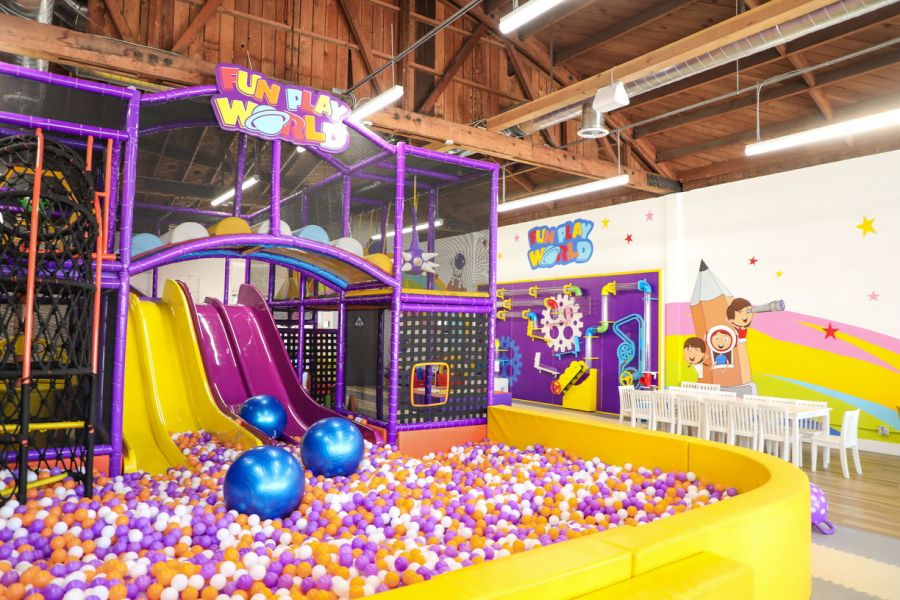

Every child deserves a place where imagination can run wild and safety is never in question. In an era where urban landscapes often push traditional playgrounds aside, indoor play spaces have surged in importance, becoming havens for active play, creativity, and growth.
Understanding the Importance of Indoor Play Spaces
When children play indoors, they gain more than shelter from the weather. Indoor playgrounds offer reliable, year-round opportunities for energetic activity, crucial in cities where outdoor space is scarce. The benefits ripple out beyond mere recreation: active play within a safe structure fosters cognitive, physical, and social development, giving kids space to test boundaries and learn in a secure environment.
Benefits of Indoor Play for Child Development
Dynamic indoor spaces encourage problem-solving, teamwork, and independent exploration. Climbing structures, sensory walls, and interactive games challenge children physically while stimulating their minds. The security of an indoor setting means kids can experiment with new activities and social interactions, building both confidence and essential life skills.
Overcoming Urban Space Limitations with Indoor Playgrounds
Urban families often face a tough reality: playgrounds compete with parking lots and high-rises. Indoor playgrounds become urban sanctuaries, transforming underused commercial or residential spaces into vibrant, child-friendly zones. With creative design, even modest rooms can offer a wealth of engaging activities.
How Indoor Play Supports Physical, Cognitive, and Social Growth
Physical movement in structured environments helps children develop motor skills and coordination. At the same time, shared play zones nurture social skills, teaching kids to communicate, compromise, and resolve conflicts through play. Spaces that combine physical and imaginative elements support holistic growth, preparing children for challenges both in and out of the classroom.
Designing a Safe Indoor Playground Environment
Safety is the cornerstone of any successful indoor play space. Materials should be non-toxic, durable, and soft enough to cushion inevitable tumbles. Flooring, for instance, should feature cushioned mats or rubber tiles to minimize injury risk.
Compliance with safety standards is non-negotiable, spaces must adhere to regulations for equipment spacing, emergency exits, and fire safety. Dividing the playground into clear zones for different age groups reduces accidents and helps supervisors monitor activity effectively. Sightlines are vital; open layouts or strategically placed observation areas empower parents and staff to keep a close eye on all children.
Choosing Engaging and Developmentally Appropriate Play Equipment
Not all playground equipment is created equal. The best indoor spaces blend physically challenging elements, like climbing walls and slides, with creative tools such as art stations, sensory panels, or pretend-play corners. Balancing high-energy activities with quieter, imaginative zones ensures every child finds something to ignite their interest.
Developmental needs change as kids grow, so modular equipment that adapts to different ages adds value. Sensory tools, from textured walls to interactive light panels, help children hone fine and gross motor skills. Integrating technology, such as augmented reality games, can be enriching, as long as digital elements never replace hands-on, physical movement.
When selecting play systems, consider consulting trusted resources like Inspire Play indoor playground equipment. Their solutions help ensure that each component supports safety, versatility, and creative engagement.
Layout and Space Optimization Strategies
Making the most of limited indoor square footage requires thoughtful design. Wide walkways and clear sightlines reduce congestion, keeping kids safe as they move from one activity to another. Vertical installations, think climbing nets or stacked play modules, maximize play value without eating up floor space.
Multi-use areas, like flexible mats that double as seating or stage backdrops, create variety without clutter. Comfortable rest zones and observation benches invite caregivers to stay engaged while allowing children time to recharge.
Promoting Social Interaction and Inclusive Play
A truly great indoor playground welcomes children of all abilities and backgrounds. Spaces that foster cooperative play, such as group games or collaborative building stations, cultivate empathy and teamwork. Ramps, adaptive swings, and sensory-friendly nooks ensure that kids with different needs can participate fully.
Encouraging parents and caregivers to join in, whether through family activities or observation areas, strengthens community bonds. Planned group activities or themed events add excitement and introduce new challenges, making every visit a unique adventure.
Maintenance, Hygiene, and Ongoing Safety
Cleanliness is integral to safety, especially in high-traffic indoor settings. Daily cleaning protocols for surfaces, equipment, and common touchpoints limit the spread of germs. Regular inspections ensure that all equipment remains in peak condition, any loose bolts or worn elements require immediate attention.
Good indoor air quality and ventilation help keep the environment healthy. Ongoing staff training and clear safety guidelines for families establish a culture of vigilance and shared responsibility.
Inspiring Creativity and Imagination Through Play
The best playgrounds are visually stimulating and ever-changing. Bold colors, varied textures, and imaginative themes turn ordinary rooms into extraordinary worlds. Open-ended materials like building blocks, costumes, or art supplies encourage kids to invent their own games and stories.
Rotating toys and equipment keeps the environment fresh, sparking curiosity each time children return. Balancing moments of free play with the occasional structured activity lets imagination and learning flourish side by side.
Ultimately, a safe and engaging indoor playground is more than a collection of slides and swings. It is a vibrant, supportive space where children can grow, learn, and dream, no matter the weather outside.